


Why Older Adults Experience Frequent Joint Pain?
Joint pain is a common concern among older adults and can make walking, climbing stairs, and performing daily activities difficult. Understanding Why Older Adults Experience Frequent Joint Pain? helps people recognise possible causes and seek timely medical advice. At Sai Hospital in Dombivli, patients can enquire about available medical services for joint discomfort and other health concerns.
As people age, changes in cartilage, muscles, bones, and connective tissues may affect joint movement. Conditions such as osteoarthritis, previous injuries, and inflammatory arthritis can also cause persistent pain. Although joint problems become more common with age, ongoing discomfort should not be ignored.
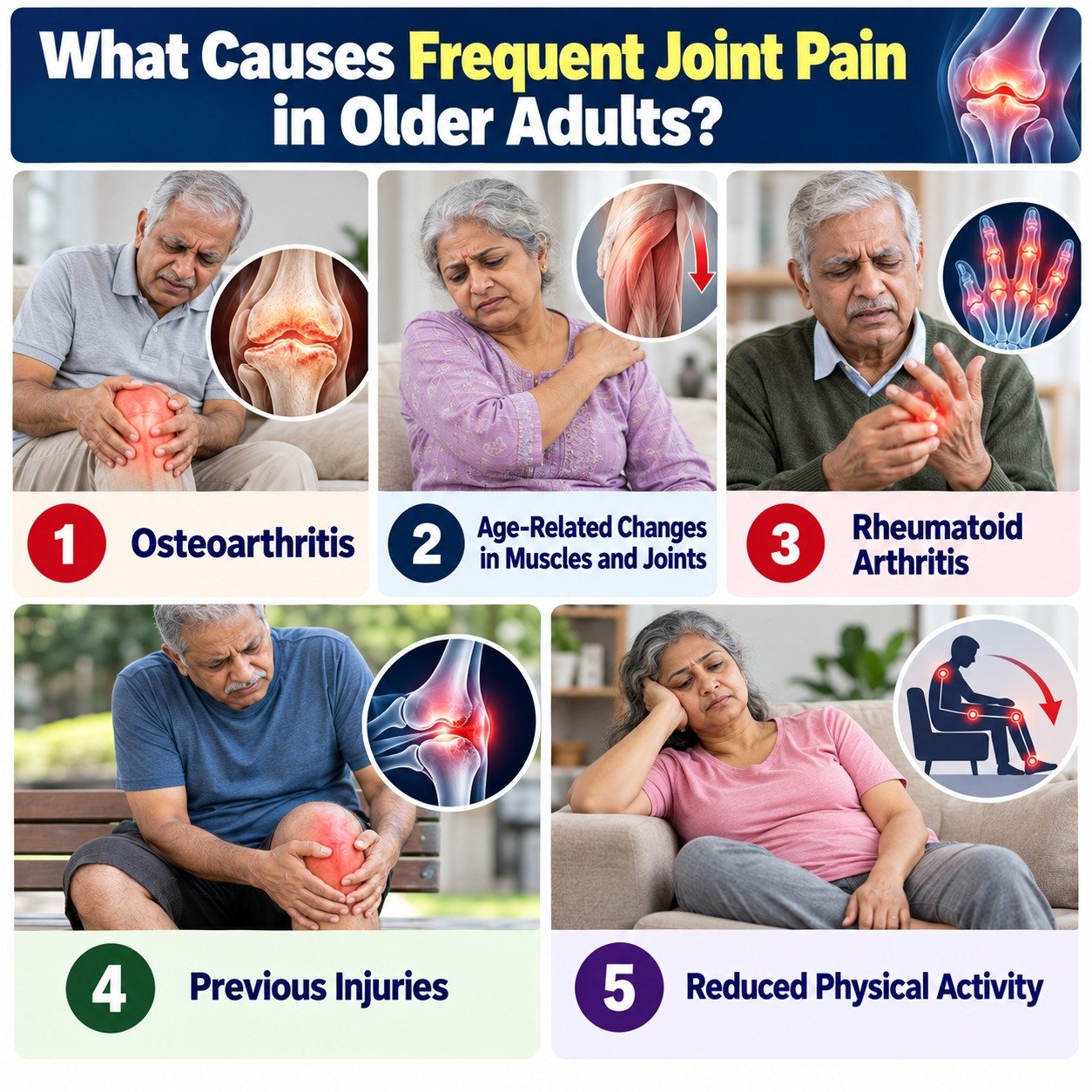
What Causes Frequent Joint Pain in Older Adults?
Joint pain can develop for several reasons. Identifying the underlying cause is important because treatment depends on the affected joint, the severity of symptoms, and the patient’s overall health.
1. Osteoarthritis
Osteoarthritis is one of the most common causes of joint pain in older adults. It develops when the protective cartilage between bones gradually wears down. This can lead to pain, stiffness, and reduced movement.
The condition commonly affects the knees, hips, hands, and spine. People may experience discomfort while walking, standing for long periods, or getting up after sitting.
If knee pain starts affecting everyday activities, consulting the Best orthopedic doctor in Dombivli may help identify the cause and determine suitable treatment options.
2. Age-Related Changes in Muscles and Joints
As people grow older, they may lose muscle strength and flexibility. Weaker muscles provide less support to the joints, which can make certain movements uncomfortable.
Regular physical activity, balanced nutrition, and appropriate exercises can help maintain mobility. Older adults should choose activities according to their physical abilities and seek medical advice if exercise increases their pain.
3. Rheumatoid Arthritis
Rheumatoid arthritis is an autoimmune condition that causes inflammation in the joints. Symptoms may include swelling, warmth, pain, and prolonged stiffness, especially in the morning.
Unlike osteoarthritis, rheumatoid arthritis occurs when the immune system attacks the lining of the joints. Early diagnosis and appropriate treatment can help control inflammation and reduce the risk of joint damage.
4. Previous Injuries
An old fracture, ligament injury, or damaged joint can contribute to pain later in life. Previous knee injuries, for example, may increase the risk of developing osteoarthritis.
Older adults should seek medical attention after a fall if they experience severe pain, significant swelling, or difficulty standing. An appropriate examination can help determine whether further investigations or treatment are needed.
5. Reduced Physical Activity
A sedentary lifestyle can contribute to muscle weakness, stiffness, and reduced flexibility. When the muscles supporting the joints become weaker, everyday movements may feel more difficult.
Gentle walking, supervised strengthening exercises, and suitable stretching activities may help improve mobility. People with existing joint conditions should consult a healthcare professional before starting a new exercise routine.
What Are the Common Symptoms of Joint Problems?
Joint conditions can cause different symptoms depending on their underlying cause. Common warning signs include:
Pain while walking, standing, or climbing stairs.
Stiffness after waking up or sitting for a long time.
Swelling around the affected joint.
Difficulty bending or straightening a knee.
Reduced flexibility and range of motion.
Tenderness or warmth around the joint.
Difficulty completing everyday activities.
Persistent symptoms may require assessment at an Orthopedic hospital in Dombivli where patients can enquire about appropriate evaluation and available treatment services.
Sudden severe pain, a hot and swollen joint accompanied by fever, or an inability to bear weight requires prompt medical attention.

How Can Older Adults Manage Joint Pain?
Joint pain management depends on the cause and severity of the condition. Several lifestyle measures may help older adults maintain mobility and reduce discomfort.
Stay Physically Active
Low-impact activities such as walking on level ground, swimming, and stationary cycling can support joint movement and muscle strength.
Older adults who experience pain during exercise should avoid pushing through severe discomfort. A physiotherapist or doctor can recommend suitable activities based on their condition.
For people recovering from exercise-related injuries, Sports medicine specialists in Dombivli may be relevant when specialised sports injury services are available.
Maintain a Healthy Weight
Excess body weight increases pressure on weight-bearing joints, especially the knees and hips. Maintaining a healthy weight may help reduce this stress and make movement more comfortable.
A balanced diet and regular physical activity can support weight management and overall health.
Eat a Balanced Diet
Older adults need adequate protein, calcium, vitamin D, and other essential nutrients to support muscle and bone health.
Include vegetables, fruits, whole grains, dairy products or suitable alternatives, and protein-rich foods in daily meals. Supplements should be used when medically appropriate rather than as a replacement for a balanced diet.
Avoid Prolonged Inactivity
Remaining in the same position for long periods can increase stiffness. Taking regular movement breaks and changing positions may help maintain flexibility.
However, people with severe joint pain should follow medical advice about activity levels and rest.
Use Medicines Carefully
Pain-relieving medicines may help some people, but certain medications can increase the risk of kidney problems, stomach bleeding, or cardiovascular complications, particularly in older adults.
Always consult a doctor before taking painkillers or joint supplements. Avoid self-medication when pain persists or repeatedly returns
When Should Older Adults Consult an Orthopaedic Specialist?
Medical evaluation is important when joint pain lasts for several weeks, repeatedly returns, causes swelling, or interferes with daily activities.
People looking for Orthopedic Doctors in Dombivli should consider a qualified professional who can assess their symptoms, medical history, and mobility.
Depending on the suspected condition, the doctor may recommend a physical examination, X-rays, blood tests, or other investigations. Treatment can include physiotherapy, activity modification, medication, or surgery when medically necessary.
Patients seeking Orthopedic specialists in Dombivli should also check whether the specialist has experience managing their particular problem, such as arthritis, knee pain, hip pain, or sports injuries.
For complex conditions that may require an operation, the Best orthopedic surgeons in Dombivli can be considered after an appropriate medical evaluation. Surgery is not necessary for every person with joint pain.
How to Choose the Right Orthopaedic Care in Dombivli
Choosing a healthcare facility involves more than searching for a clinic online. Patients should consider the doctor’s qualifications, experience with the relevant condition, available diagnostic facilities, and follow-up care.
When searching for the Best orthopedic clinic in Dombivli older adults and their families should look for appropriate medical assessment and clear explanations of the available treatment options.
A qualified Orthopedic Specialist doctor in Dombivli can help distinguish between common age-related joint changes and conditions that require specific medical treatment.
Sai Hospital in Dombivli can be contacted to enquire about available services and the appropriate department for persistent joint pain. Patients should confirm the availability of orthopaedic consultations and specialised services directly with the hospital before visiting.
Older adults may also have other health conditions that require attention. For example, people with heart-related concerns can refer to Sai Hospital’s Best Cardiologist Dombivli for relevant information. Patients can also view the Cardiac Specialists Dombivli
Can Joint Pain in Older Adults Be Prevented?
Not all joint conditions can be prevented, but healthy daily habits may help protect mobility and reduce certain risk factors.
Older adults can support their joint health by:
Staying physically active within their abilities.
Maintaining a healthy body weight.
Eating a balanced and nutritious diet.
Wearing comfortable, supportive footwear.
Using handrails and reducing fall hazards at home.
Following treatment recommendations for existing conditions.
Seeking medical advice when new symptoms develop.
Consistency matters more than intense exercise. Small, manageable lifestyle changes can help older adults maintain strength, balance, and independence.
Conclusion
Frequent joint pain in older adults can result from osteoarthritis, inflammatory arthritis, previous injuries, muscle weakness, and other changes affecting the joints. Understanding the cause and seeking timely medical advice can help reduce discomfort and protect mobility.
Older adults should not assume that persistent pain or difficulty walking is an unavoidable part of ageing. Regular physical activity, balanced nutrition, fall prevention, and appropriate medical care can help many people remain active and independent.
Sai Hospital in Dombivli can be contacted to inquire about available healthcare services and appropriate next steps for persistent joint pain. Early evaluation helps patients understand their condition and make informed decisions about their care.
Google Map
Recent Post

Expert Care for Hand Wrist and Elbow Pain
November 23, 2024

common gynaecological problems
March 19, 2025

Life After Knee Replacement: Do’s and Don’ts for Faster Healing
October 13, 2025